

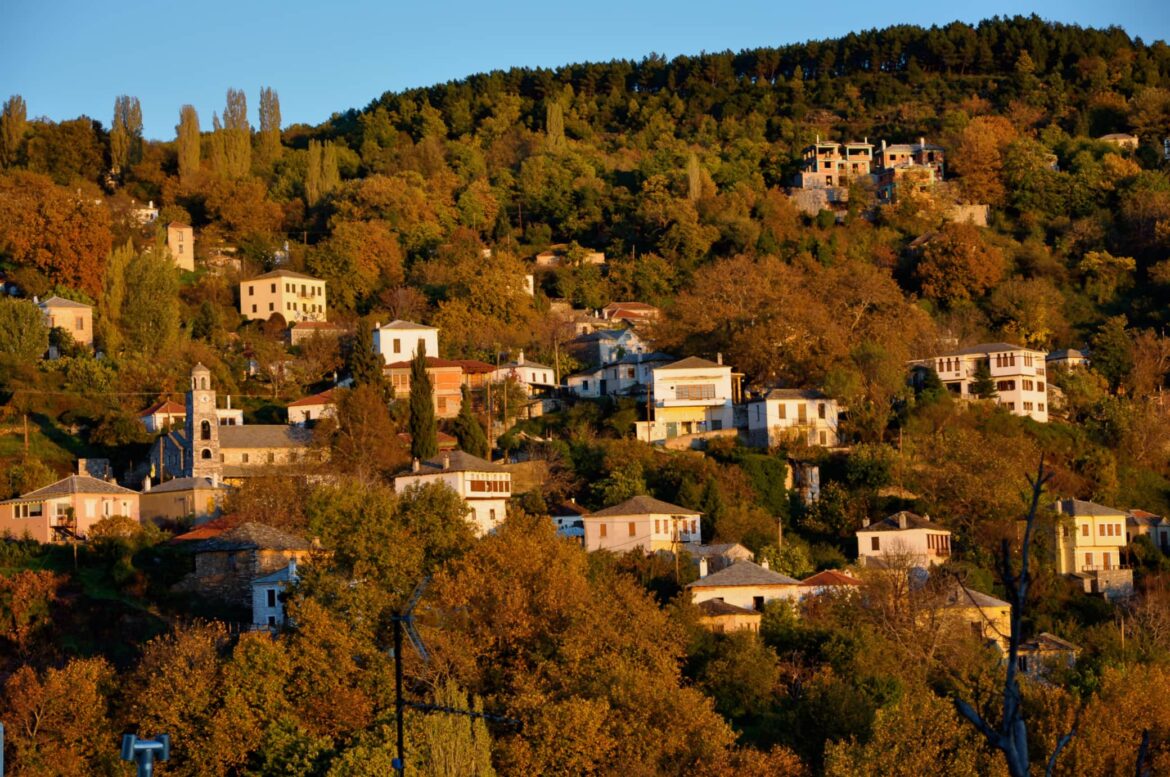
Discover Agios Georgios Nileias, the most majestic and picturesque village of Pelion. See the top attractions, dining and accommodation recommendations, hiking trails, and practical tips for your next vacation.
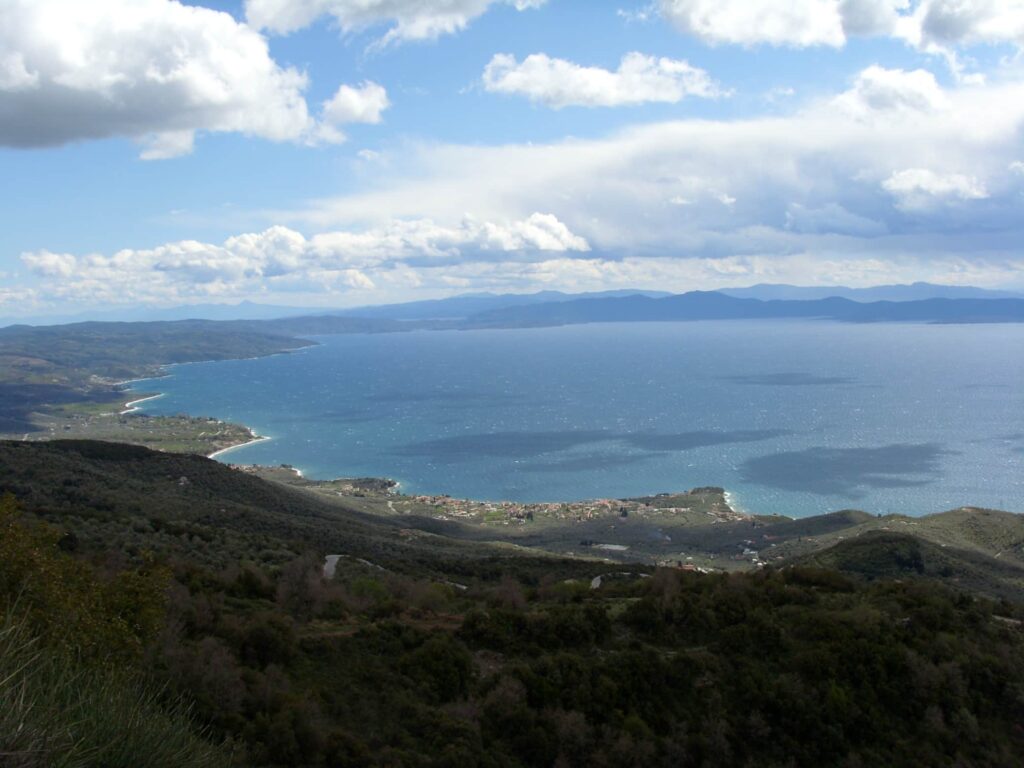
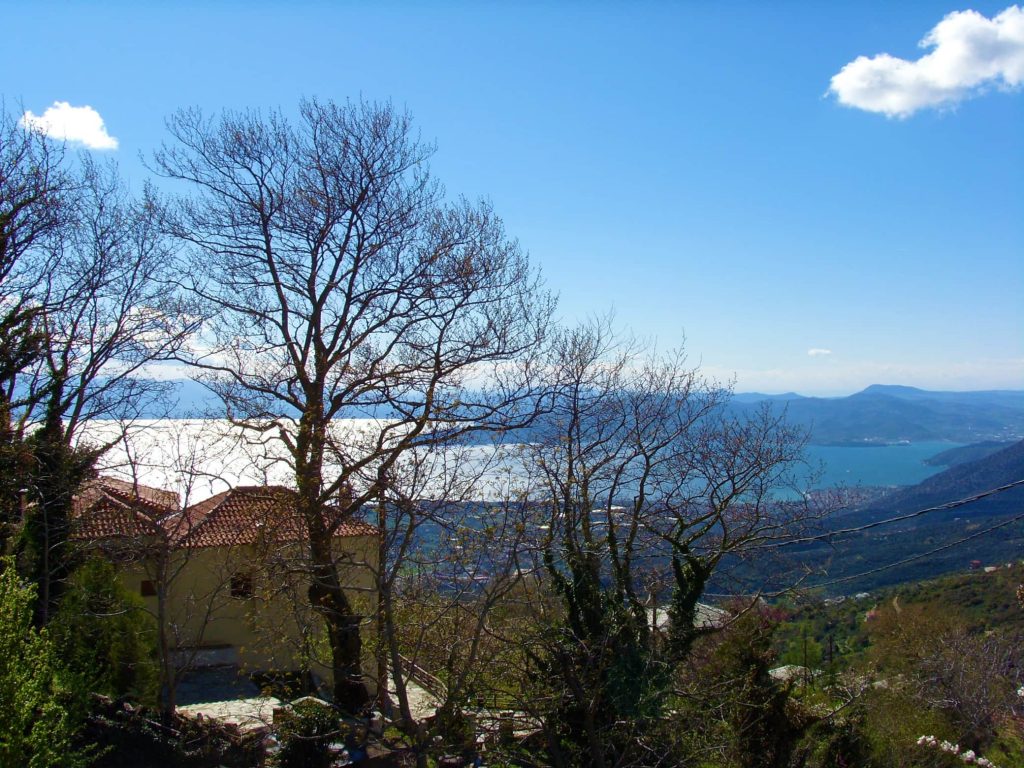
Pelion, the mythical mountain of the Centaurs, is full of hidden treasures, traditional settlements, and breathtaking landscapes. However, if you are looking for a destination that combines absolute tranquility, rich cultural heritage, traditional architecture, and the most stunning view of the Pagasetic Gulf, then Agios Georgios Nileias is the ideal place for you. Built at an altitude of about 700 meters on the slopes of South Pelion, Agios Georgios Nileias is rightfully called the balcony of Pelion. Unlike other, more crowded tourist villages in the region, Agios Georgios has managed to keep its authenticity untouched, offering the visitor a unique experience of relaxation and contact with nature. In this complete guide, we will wander together through its cobbled stone paths, discover its secrets, and organize the perfect escape on the mountain of the four seasons.
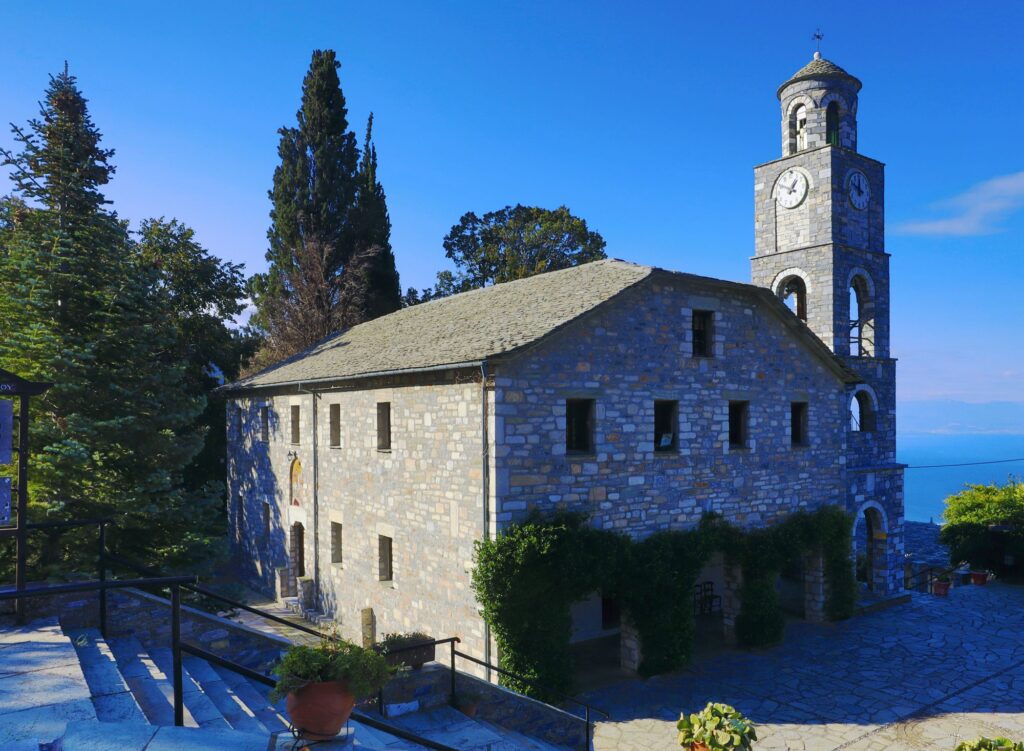
Agios Georgios Nileias was founded around the 15th century by shepherds seeking safety in the highlands of Pelion. According to tradition, the name of the village comes from an icon of Saint George found by the first settlers in the area, while the suffix Nileias was added later, in honor of the ancient city of Nileia, which is believed to have been located in the wider region. During the 18th and 19th centuries, the village experienced great economic and intellectual prosperity. Its residents, many of whom were wealthy merchants active in Egypt and other foreign countries, returned to their birthplace and built imposing, three-story mansions. Historical highlight: The architecture of Agios Georgios Nileias is a living history lesson. The Pelion mansions, with their stone bases, wooden sachnisia (overhangs), and roofs made of slate from Propan, stand proud through the passage of time, bearing witness to the glorious past of the place. Today, the settlement is declared traditional, which means that every new construction or restoration is done with strict respect for the local architectural heritage.
Although the village itself is an open-air museum, there are certain spots you should definitely not miss during your stay. The first attraction is the central square with the centuries-old plane trees. The heart of the village beats in its beautiful, paved square. Here, under the shadow of the huge, centuries-old plane trees, you can enjoy your coffee, taste traditional spoon sweets, or savor local appetizers, with the view from the edge of the square toward the Pagasetic Gulf and the surrounding villages being simply majestic. Second is the holy church of Agios Georgios. Next to the square stands the main church of the village, built in the late 18th century (around 1796). It is an imposing three-aisled basilica with unique architectural features, inside of which rare icons, an exceptionally crafted wood-carved iconostasis, and ecclesiastical relics of great historical value are kept. Third is the municipal museum of sculptor Nicolas. Agios Georgios Nileias is the birthplace of the internationally renowned sculptor and engraver Nikolaos Pavlopoulos (known as Sculptor Nicolas, 1909-1990). The artist donated a large part of his work to his birthplace, and today the two-story museum bearing his name hosts an impressive collection of bronze, marble, and wooden sculptures, as well as his personal belongings and tools, offering a unique opportunity for art lovers to get to know his work up close. Fourth is the holy monastery of the Archangels. A short distance from the village, in a lush and peaceful landscape, lies the Taxiarches monastery, which was founded during the Byzantine period and experienced periods of great prosperity. Today it operates as a convent, famous for its spiritual work, as well as for the exceptional handicrafts and products made by the nuns, such as embroidery, hagiographies, and traditional soaps.
Agios Georgios Nileias is the ideal starting point for those who love activities in nature. Its geographical position offers easy access to both mountain trails and the sea. Regarding hiking on stone paths, the area has an extremely well-developed network of marked trails and old stone paths. One of the most popular routes is the one connecting Agios Georgios with Pinakates and Vizitsa, passing through dense chestnut and beech forests and offering unique images. As for horseback riding, organized equestrian clubs operate in the wider area of South Pelion, offering horse rides in the forest, an experience that will remain unforgettable for young and old alike. Also, collecting herbs and mushrooms is very popular, as Pelion is famous for its rare flora. Depending on the season, you can wander through the forest and pick wild herbs, such as mountain tea, oregano, and chamomile, or participate in organized excursions for mushroom hunting.
A visit to Pelion cannot be considered complete without an introduction to the local cuisine. In the traditional taverns and cafes of Agios Georgios Nileias, you will have the opportunity to try dishes made with pure, local ingredients. Try spetsofai, the national dish of Pelion, made with local country sausage, peppers, and fresh tomato sauce. Another excellent choice is boumbari, a special, traditional appetizer made of intestine stuffed with minced meat, rice, liver, and herbs, baked in the oven with potatoes. Also, do not miss the herb pies and cheese pies, made with handmade, rustic dough rolled by hand and fillings of wild mountain greens or local feta. Tsitsiravla is another unique appetizer made from the tender shoots of the wild pistachio tree, which are pickled and ideally accompany the local tsipouro. Finally, to close your meal in the sweetest way, try traditional spoon sweets, such as firiki (the small, aromatic apple of Pelion), chestnut, or walnut.
Staying in Agios Georgios Nileias is an experience in itself. In the village, you will find beautiful traditional guesthouses and boutique hotels, many of which are housed in fully restored 19th-century mansions. These guesthouses combine the historical atmosphere, with stone walls, fireplaces, and wooden ceilings, with all modern comforts, such as heating, Wi-Fi, and anatomical mattresses. Many of the properties offer handmade breakfast with local products, such as homemade jams, pies, and eggs from local producers, while almost all of them feature rooms with breathtaking views of the Pagasetic Gulf.
Pelion is a destination for the whole year. Each season dresses Agios Georgios in different, but equally impressive colors, offering unique experiences depending on the period of your visit. Autumn is characterized by golden and red leaves, mists, and the smell of the fireplace, making it ideal for hiking, photography, relaxing by the fireplace, and gathering chestnuts. Winter brings snowy mountain peaks and a cold, clear atmosphere, ideal for skiing in the nearby ski center in Chania and hot drinks in the square. Spring stands out with blooming apple and cherry trees, flowing waters, and the rebirth of nature, being an ideal period for nature loving, hiking, and Easter with a traditional Pelion color. Finally, summer offers cool afternoons under the plane trees to escape the heat of the city, but also the perfect combination of mountain and sea, since the beaches of the Pagasetic Gulf are just a short distance away.
Agios Georgios Nileias is about 30 kilometers away from the city of Volos (about 40-45 minutes by car). From Athens, the distance is about 350 kilometers, meaning about 4 hours of driving, following the Athens-Thessaloniki National Road to the junction of Volos and then heading up towards Pelion. From Thessaloniki, the distance is about 240 kilometers, which corresponds to about 3 hours of driving. The classic route from Volos passes through Agria and Ano Lechonia. The road is uphill with several turns, as is natural for the Pelion road network, but the unique beauty of the landscape and the gradual revelation of the view towards the sea will fully reward you.
Frequently Asked Questions (FAQs)
Regarding the nearest beaches to Agios Georgios Nileias, if you visit the village in the summer, you can easily combine the coolness of the mountain with swimming in the sea. The nearest beaches on the Pagasetic Gulf are Kala Nera (about 20-25 minutes by car), Afissos, and Lefokastro. If you prefer the wilder beaches of the Aegean side, Mylopotamos and Lampinou are about 50-60 minutes away by car.
Regarding whether Agios Georgios Nileias is a suitable destination for families, the answer is absolutely positive. The village is extremely quiet, without heavy vehicle traffic, which allows children to play safely in the square. In addition, the activities in nature and the nearby routes are ideal for family excursions that will offer beautiful memories to everyone.
Regarding whether there is a mini market or pharmacy in the village, you will find the basics in the settlement, such as small grocery stores and mini markets for necessary basic goods. For a more complete market, pharmacies, or bank ATMs, you will need to go to the neighboring villages, such as Milies or Kala Nera, which are about 15-20 minutes away by car.
Conclusion: Agios Georgios Nileias is not just another tourist destination in Pelion; it is a true sanctuary for the soul. Its nobility, the captivating view, the warm hospitality of its residents, and the untouched beauty of nature create a setting ideal for escaping the stress of everyday life. Whether you are looking for a romantic getaway for two, or a family excursion filled with activities, this “balcony” of Pelion will surely steal a piece of your heart. Pack your bags and let the magic of Agios Georgios carry you away!